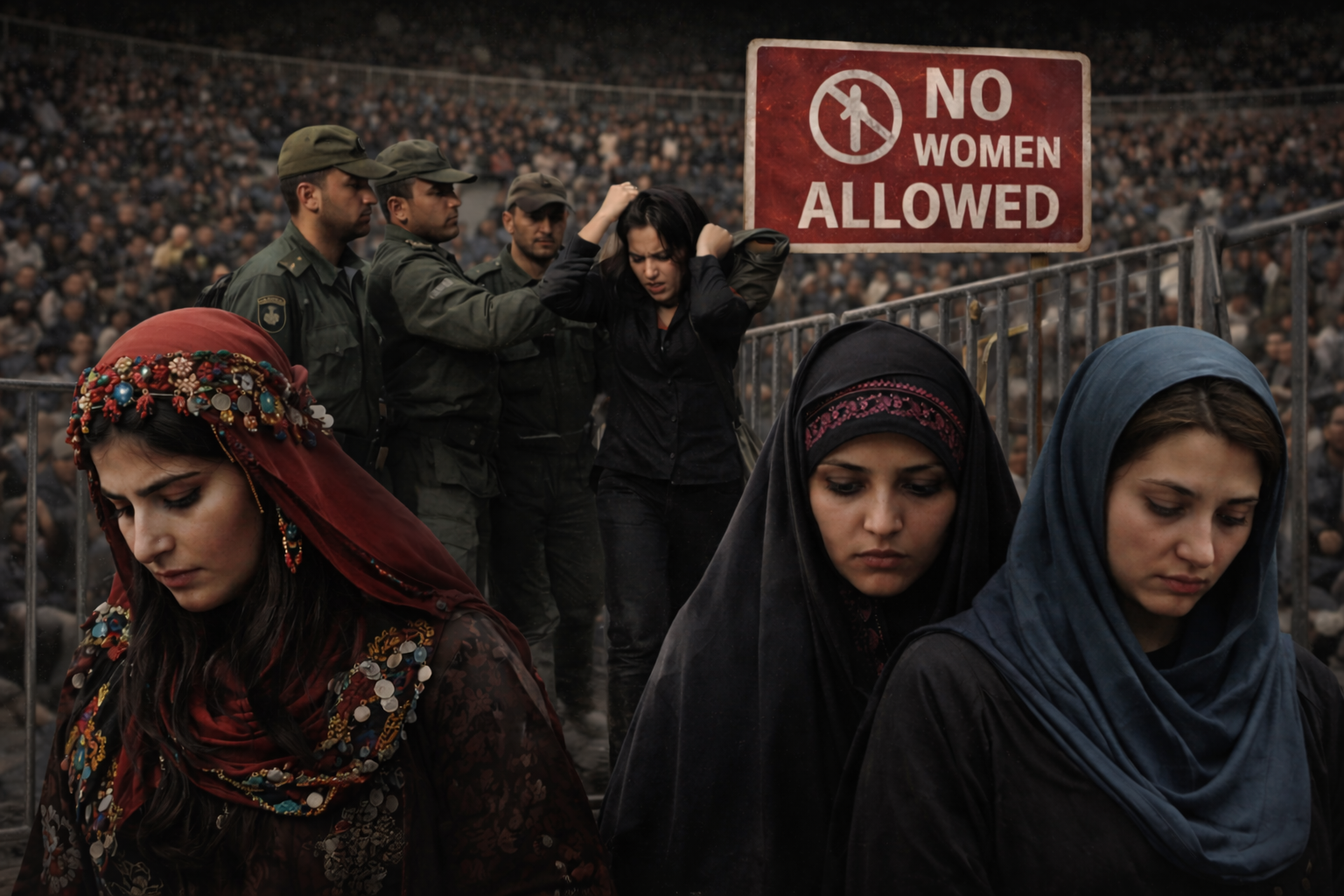
No Objection, No Accountability
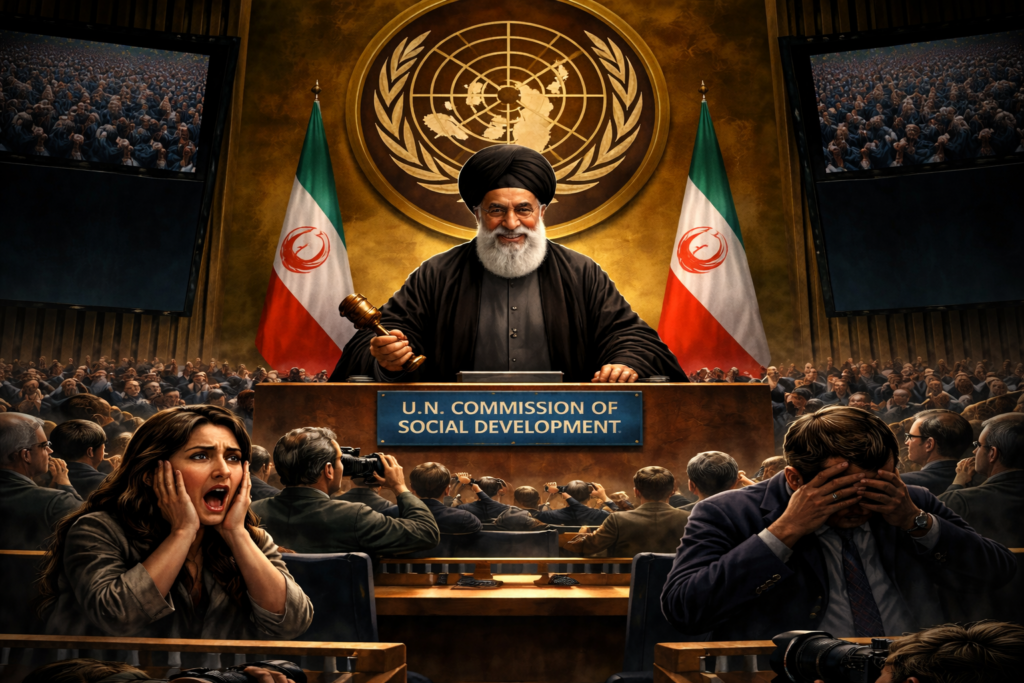
In February 2026, Iran was elected as a vice-chair of the United Nations Commission for Social Development (CSocD) for its 65th session. The appointment followed Iran’s 2025 leadership of the Asia-Pacific Group within the UN Human Rights Council.
Despite significant criticism from human rights organizations citing Iran’s domestic record, the vice-chair position was confirmed without formal objection.
The optics are difficult to ignore: a government widely accused of systemic gender discrimination now helping steer global conversations on social development.
From Domestic Control to Global Influence
As vice-chair, Iran will participate in shaping discussions on social development priorities, including women’s rights and gender equality.
Observers expect Tehran to promote positions consistent with its domestic framework one rooted in state control, religious interpretation, and strict social regulation. While the vice-chair role does not grant unilateral authority, it provides procedural influence and a platform within multilateral discussions.
Gender Apartheid by Design
Multiple organizations including Human Rights Watch, Amnesty International, and UN investigative bodies describe Iran’s treatment of women as systemic and institutionalized discrimination. Some characterize it as “gender apartheid,” arguing that women and girls are deliberately relegated to second-class legal and social status.
This framework is embedded in law, enforced by state authorities, and justified through the Islamic Republic’s interpretation of Sharia and revolutionary ideology.
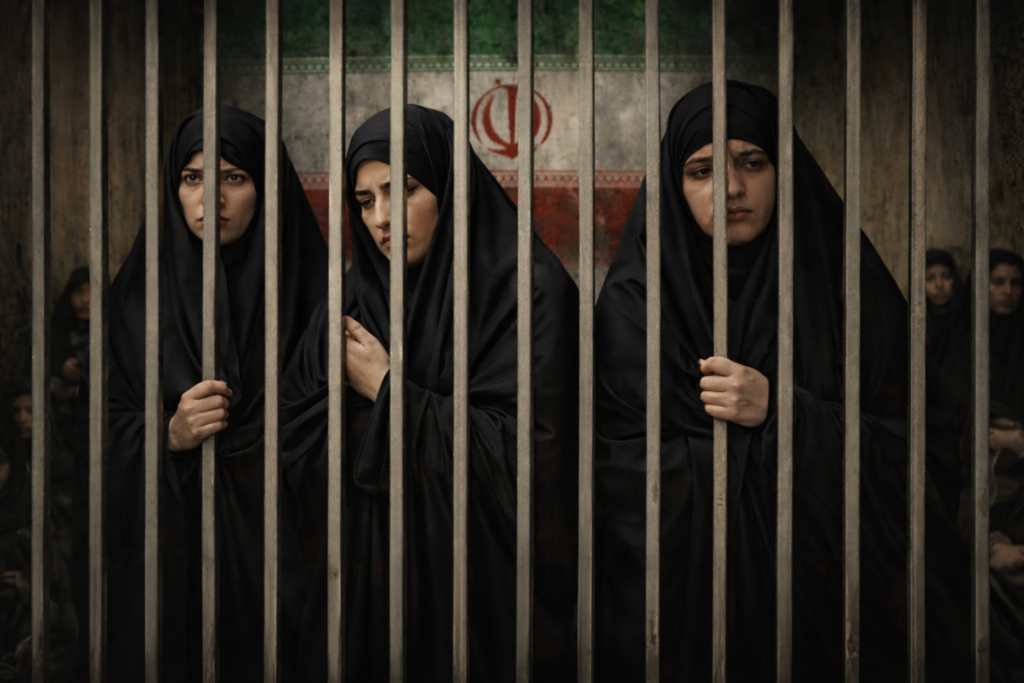
Control of the Female Body
Compulsory hijab enforcement remains one of the most visible tools of state control. Girls are required to observe dress codes beginning at puberty. Non-compliance can result in arrest by morality police, fines, imprisonment, lashings, denial of services, and surveillance measures.
Since 2025, expanded digital enforcement initiatives, including facial recognition technology under the “Noor Plan,” have reportedly increased monitoring. The recently strengthened “Chastity and Hijab” law imposes harsher penalties, including extended prison terms for repeat violations or activism promoting non-compliance.
Enforcement intensity varies by region and political climate, but the legal structure remains firmly in place.
Inequality in Black and White Law
Legal disparities extend beyond dress codes.
Marriage: Girls may marry at age 13, or younger with judicial approval. Husbands retain authority over wives’ travel, employment, and residence.
Divorce: Men can initiate divorce more easily, while women face higher evidentiary burdens and often lose long-term custody rights.
Inheritance: In many cases, women inherit half the share granted to male relatives.
Testimony: In certain legal contexts, a woman’s testimony carries half the weight of a man’s.
Recent dowry law reforms have further weakened financial protections available to women in marital disputes.
Protest, Punishment, and Fear
The 2022 death of Mahsa (Jina) Amini while in morality police custody triggered the “Woman, Life, Freedom” protests. Security responses led to hundreds of reported deaths and thousands of arrests.
Reports from international monitors document allegations of excessive force, arbitrary detention, torture, sexual assault in custody, and severe sentences against activists. Crackdowns have continued into 2025–2026.
Women activists, journalists, and civil society participants remain at risk of detention or prosecution.
Broader Restrictions and Compounded Discrimination
Women face limits in political participation, access to certain professions, and attendance at sporting events. Ethnic and religious minority women including Kurdish, Baluch, and Baha’i communities often encounter additional layers of discrimination.
Economic pressures disproportionately affect women due to employment barriers and inheritance limitations.
Public defiance continues in some urban centers, where many women appear unveiled despite legal requirements. Authorities have responded with intensified enforcement campaigns and expanded surveillance.
The UN’s Credibility Question
Iran’s vice-chair position does not grant unilateral policy control. However, leadership roles within UN commissions shape procedural agendas, framing, and negotiation dynamics.
The broader question raised by critics is institutional: What message does it send when a government accused of systematic gender repression participates in guiding international dialogue on social development and equality?
Parallel Signals: Dynastic Transition in North Korea
Succession in Pyongyang
Separate regional developments underscore wider geopolitical shifts.
South Korea’s National Intelligence Service has assessed that Kim Jong Un may be preparing his daughter, Kim Ju Ae, for eventual leadership within the Workers’ Party of Korea. Reports indicate she could receive an official title at the upcoming 9th Party Congress, signaling formal positioning within the power structure.
Indicators cited include her presence at strategic events and reported involvement in policy discussions.
Military Alignment with Moscow
Meanwhile, approximately 8,000 North Korean troops remain deployed in Russia’s Kursk region, performing support roles under Russian command, according to Ukrainian military intelligence assessments.
The deployment offers Pyongyang operational military experience while strengthening strategic ties between North Korea and Russia.
Conclusion
Iran’s election as vice-chair of the UN Commission for Social Development highlights a widening tension between institutional process and political reality.
At the same time, succession planning in North Korea and expanding military cooperation with Russia illustrate ongoing consolidation of power within authoritarian systems.
Together, these developments raise broader questions about governance, influence, and the evolving dynamics inside international institutions.
The leadership table is shifting. The consequences remain to be seen.cust

Websites, hosting, email & digital tools for growing brands.