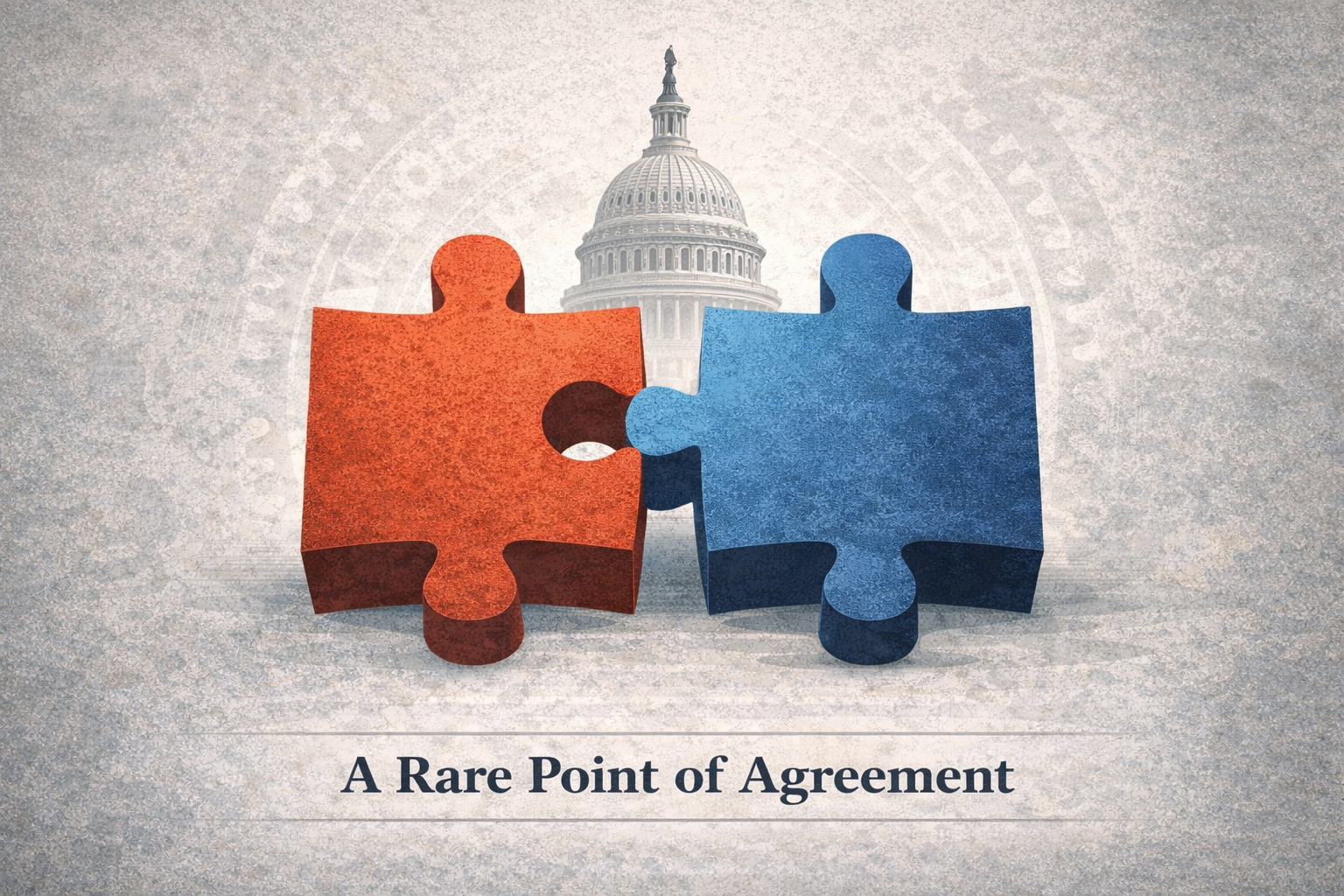
The retention and expansion of these tariffs under Biden, amid his reversals of other Trump policies, represent a pragmatic approach to economic security. By keeping the duties intact, the administration has ensured ongoing revenue streams that could support various national priorities, from infrastructure to technological advancement. The bipartisan backing, as seen in bills like the Secure Trade Act and the CHIPS Act, suggests that tariffs on China have transcended partisan politics, becoming a staple in U.S. strategy against global trade inequities. The substantial revenues $80 billion under Trump and $180 billion under Biden, totaling over $260 billion underscore the fiscal significance of these measures. This financial influx has provided resources amid ongoing debates about trade fairness, with Democrats and Republicans alike acknowledging the role of tariffs in leveling the playing field.
Evidence of bipartisan support for these tariffs on China is apparent in legislative actions and public sentiment. For instance, the Secure Trade Act was introduced in 2025 by Rep. Jared Golden, a Democrat from Maine, and Rep. Greg Steube, a Republican from Florida. This bill seeks to appraise Chinese imports based on U.S. value standards, with the goal of reducing American reliance on Chinese supply chains. Such cross-party collaboration illustrates a shared recognition of the need to address trade vulnerabilities. Complementing these tariff policies, the CHIPS Act was passed with bipartisan support in 2022. This legislation invests in domestic semiconductor production, directly countering Chinese subsidies in the tech sector and aligning with the protective intent of the tariffs.
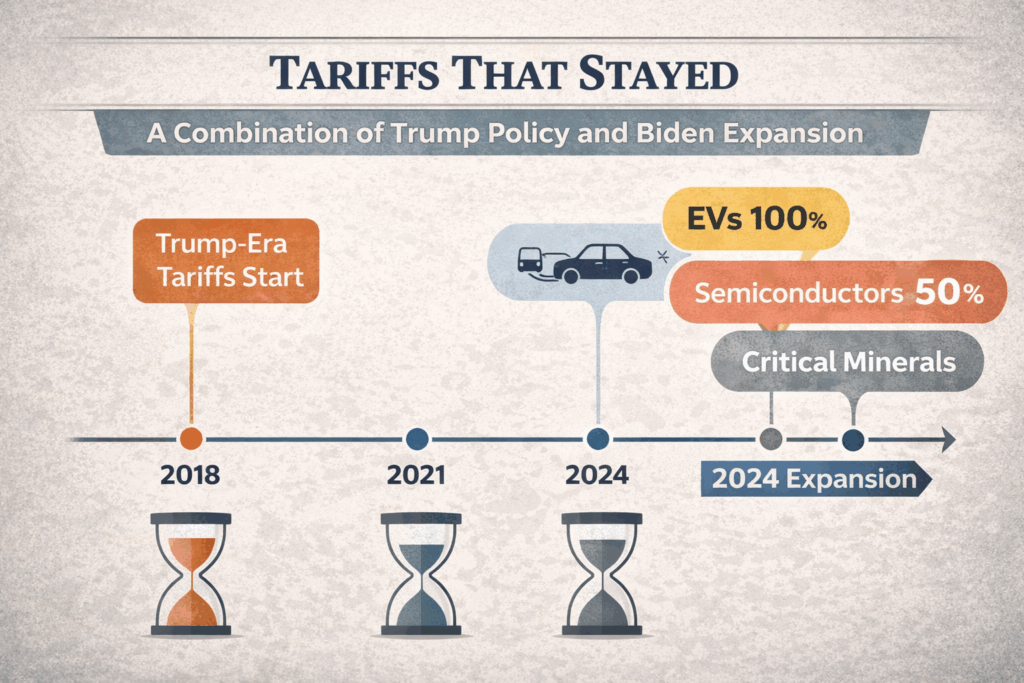
In the realm of U.S. trade policy, the tariffs imposed on Chinese goods and other imports have played a significant role in recent economic strategies. President Trump initiated these measures in 2018, targeting approximately $380 billion worth of Chinese goods. These tariffs extended beyond China to include steel and aluminum from multiple countries, enacted under Sections 232 and 301 of relevant trade laws. During his first term from 2017 to 2021, these tariffs generated approximately $80 billion in revenue for the United States. This revenue stemmed from duties on a wide array of imports, aimed at addressing perceived unfair trade practices and protecting domestic industries.
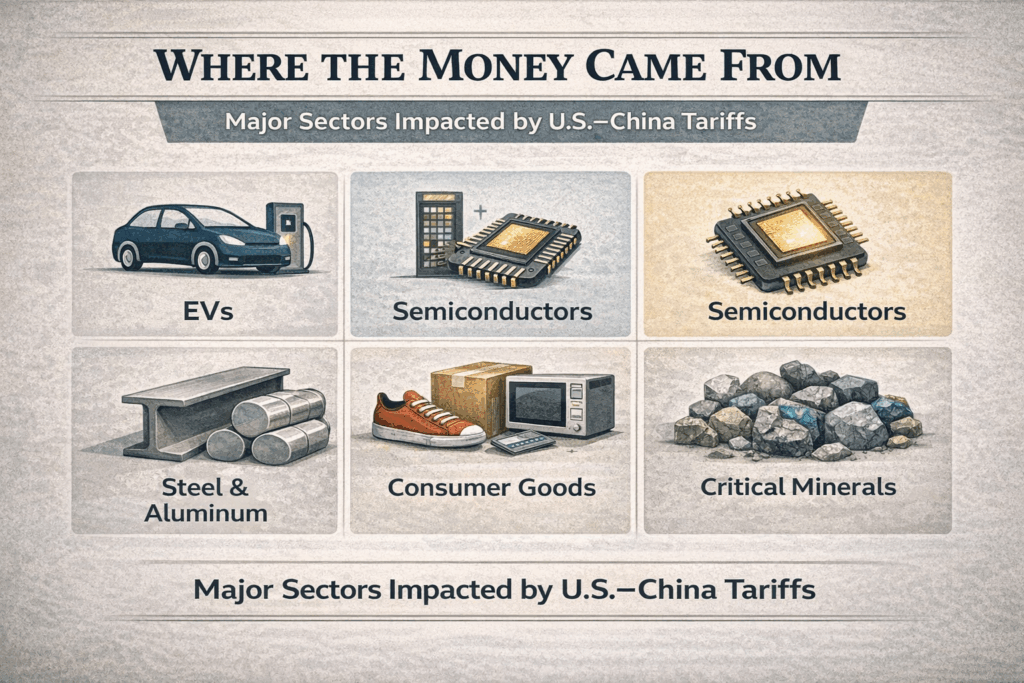
Transitioning to the subsequent administration, President Biden retained the Trump-era tariffs on China, choosing not to reverse them despite overturning numerous other policies from the previous term. Areas where Biden did reverse Trump initiatives included immigration and environmental regulations, where he implemented significant changes aligned with his campaign promises. However, in the case of the China tariffs, Biden maintained them as a key tool against unfair trade practices, even though he had criticized them during his campaign. This decision marked a notable exception, highlighting a strategic continuity in confronting economic challenges posed by China. Furthermore, Biden expanded these tariffs in 2024, introducing higher rates on specific sectors: 100% on electric vehicles, 50% on semiconductors, and increased duties on critical minerals. During Biden’s term from 2021 to 2025, these tariffs generated approximately $180 billion in revenue by the end of 2024, with additional collections continuing into early 2025.
Collectively, the total revenue from the trade war tariffs on all countries surpassed $260 billion by the end of 2024. This figure encompasses duties collected under both administrations, reflecting the cumulative impact of these policies on federal finances. The persistence of these tariffs under Biden, despite his administration’s efforts to engage with China in other diplomatic and economic arenas, underscores a firm stance on trade imbalances. While Biden pursued dialogues and agreements with China on various fronts, he did not extend such accommodations to the tariff regime, preserving it as a mechanism to counter subsidies, intellectual property issues, and market distortions originating from China.
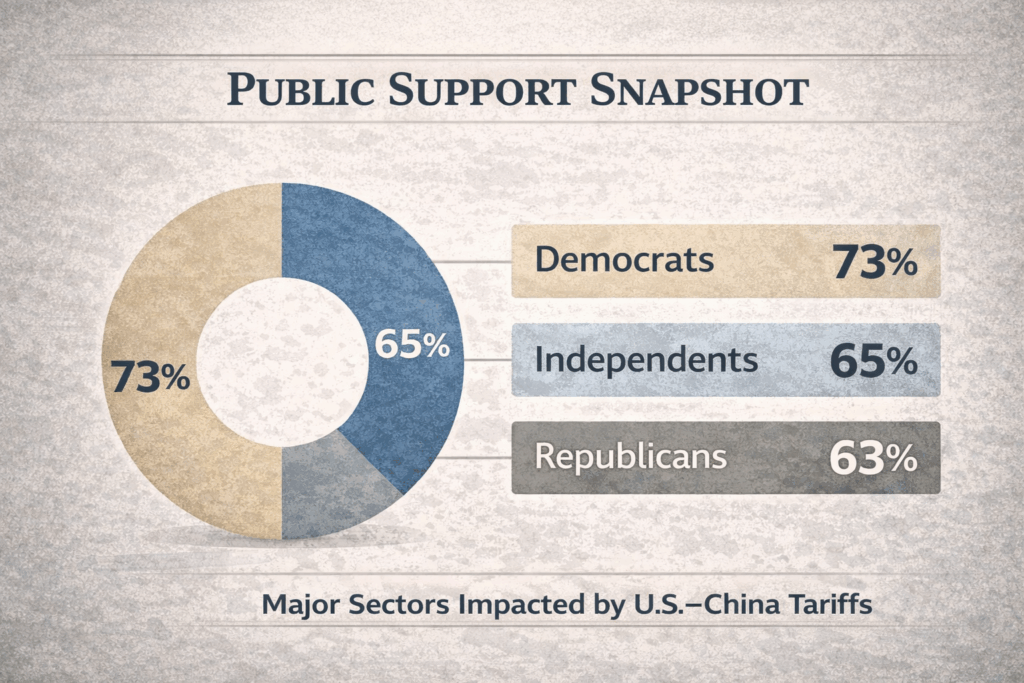
Public opinion further reinforces this bipartisan consensus. A survey conducted in 2025 revealed that two-thirds of Americans support a U.S.-China deal to address trade imbalances. This support cuts across political lines, with majorities among Democrats at 73%, Independents at 65%, and Republicans at 63%. These figures indicate a broad societal agreement on the importance of confronting China’s trade practices through measures like tariffs. Additionally, the Senate’s rejection of measures in prior years to fully undo Trump’s tariff declarations highlights an underlying acceptance of these policies across party divides. Lawmakers from both sides have resisted complete rollbacks, allowing the tariffs to remain in place and continue generating revenue.
In summary, the trajectory of these tariffs demonstrates a rare area of policy continuity between administrations. Trump’s initial imposition set the stage, generating significant early revenue, while Biden’s decision not to reverse them, despite campaign rhetoric and reversals elsewhere, allowed for expansion and further collections. Bipartisan efforts in Congress and strong public support affirm the tariffs’ place in addressing China’s trade practices, ensuring their impact extends beyond any single presidency. This approach, yielding hundreds of billions in revenue, positions the U.S. to tackle economic challenges with a unified front.
#ChinaTariffs #USTradePolicy #BipartisanSupport #TrumpTariffs #BidenTariffs #TradeWarRevenue #AmericaFirst #EconomicSecurity #USChinaTrade #TariffRevenue

Websites, hosting, email & digital tools for growing brands.