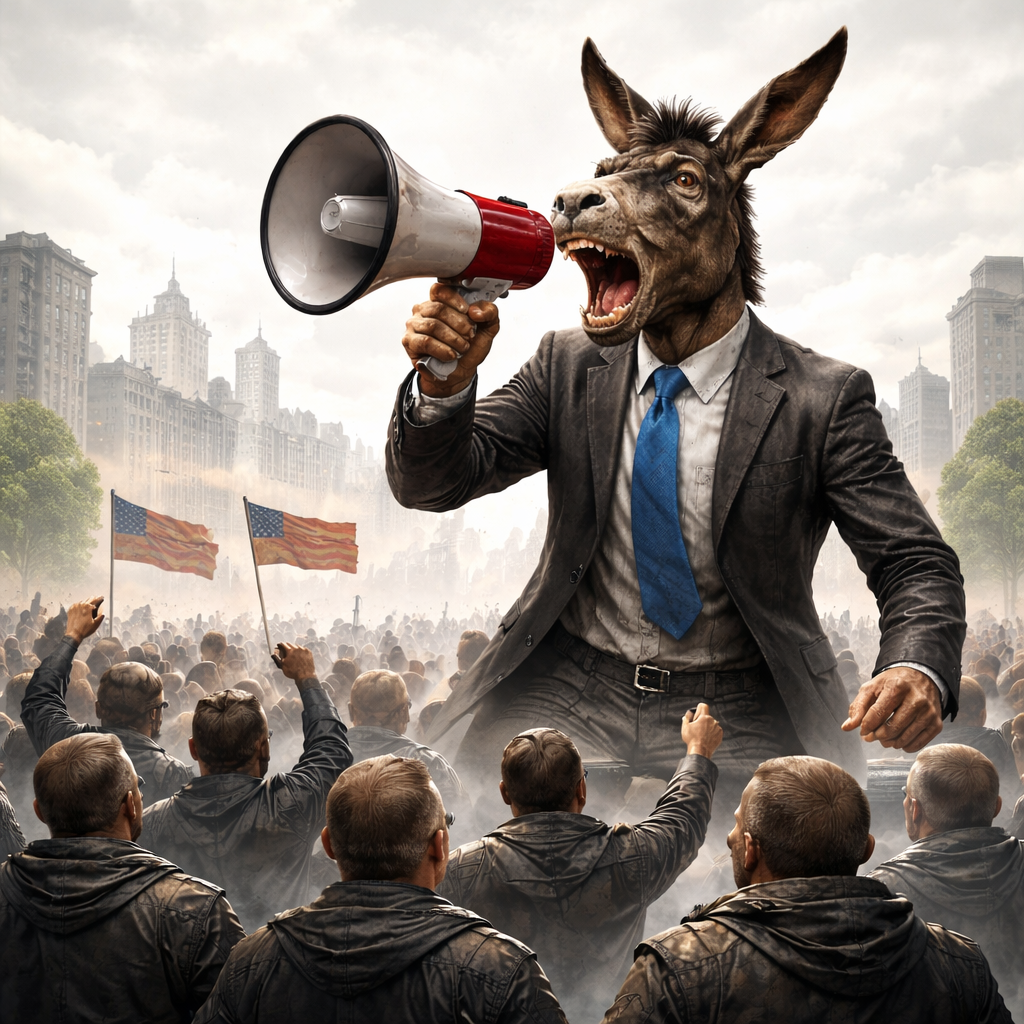
When political messaging overrides public safety, citizens are left navigating consequences they did not create.
ICE agents are trained to handle high-risk situations involving individuals who may have criminal backgrounds or pose threats, emphasizing quick decision-making to ensure safety. Federal data indicates that a portion of those arrested in Minnesota include individuals with prior convictions for serious crimes, including murder, rape, sexual assault, child molestation, armed robbery, human and drug trafficking. Amid these operations, President Trump has stated he will invoke the Insurrection Act of 1807 if unrest persists, which would allow deployment of U.S. troops to address domestic disturbances.
In recent weeks, Minnesota has become a focal point for intensified federal immigration enforcement efforts under the Trump administration. Following the president’s re-election in November 2025, the Department of Homeland Security (DHS) deployed over 2,000 Immigration and Customs Enforcement (ICE) agents to the state as part of a large-scale operation aimed at arresting and deporting individuals with outstanding immigration violations. This surge, described by federal officials as targeting serious offenders including those with criminal records, has resulted in approximately 2,400 immigration-related arrests since its inception. However, the operation has also sparked significant local opposition, legal challenges, and incidents of violence, highlighting broader tensions between federal authority and state-level policies on immigration cooperation.
Minnesota, like several other U.S. states and localities, has adopted policies that limit cooperation with federal immigration authorities. These “sanctuary” or non-cooperation policies vary but generally restrict local law enforcement from assisting ICE in certain ways, such as honoring detainer requests without a judicial warrant or sharing information that could lead to deportations. As of late 2025, at least 11 states, including Minnesota, have laws or executive orders that impose substantial limitations on transfers of individuals to ICE custody, with Oregon and Illinois having the most comprehensive restrictions. Proponents of these policies argue they build trust between immigrant communities and local police, encouraging crime reporting without fear of deportation. Critics, including federal officials, contend that such measures hinder enforcement and allow dangerous individuals to remain in communities.
State leaders, including Governor Tim Walz, Attorney General Keith Ellison, and Congresswoman Ilhan Omar, have publicly opposed the federal surge. On January 12, 2026, the state of Minnesota, along with the cities of Minneapolis and St. Paul, filed a lawsuit against DHS, challenging the expanded ICE presence and alleging overreach in enforcement tactics. Ellison stated that the suit aims to protect residents from what he described as unconstitutional actions by federal agents. Walz and Minneapolis Mayor Jacob Frey are currently under investigation by the U.S. Department of Justice for potential obstruction of federal law enforcement activities related to the ICE operations. Omar, alongside other Minnesota Democrats, has visited ICE detention centers with protesters to highlight concerns over the operations. These actions reflect a strategy of legal and public resistance. It is beyond clear they are persuading citizens to act out and disobey the law.
The enforcement surge has coincided with heightened protests and clashes. On January 8, 2026, an ICE agent fatally shot Renee Good during an encounter in Minneapolis, an incident that federal officials described as a response to a perceived threat, while community advocates labeled it as excessive force. This event has fueled ongoing demonstrations, with some involving civil disobedience such as blocking roads or occupying public spaces. In response, a federal judge issued an order on January 17, 2026, limiting ICE’s use of crowd control tactics against protesters and observers, citing risks of escalation. The American Civil Liberties Union (ACLU) of Minnesota also filed a lawsuit challenging ICE’s practices, including suspicionless stops and racial profiling.
Media coverage has amplified the divide, with some outlets criticizing ICE tactics as overly aggressive and others arguing that local resistance undermines law enforcement. This pattern of non-cooperation is not unique to Minnesota; as of 2025, over 600 jurisdictions nationwide limit entanglement with ICE, reflecting a broader shift in some areas toward prioritizing community relations over full federal collaboration.
The situation in Minnesota illustrates how conflicts between federal enforcement priorities and local policies can lead to escalated confrontations, legal battles, and public safety challenges. Efforts to hold parties accountable, including federal investigations and court rulings, continue as both sides seek resolutions through established processes.

Websites, hosting, email & digital tools for growing brands.